Ceiling Mold Removal in Essex County, NJ
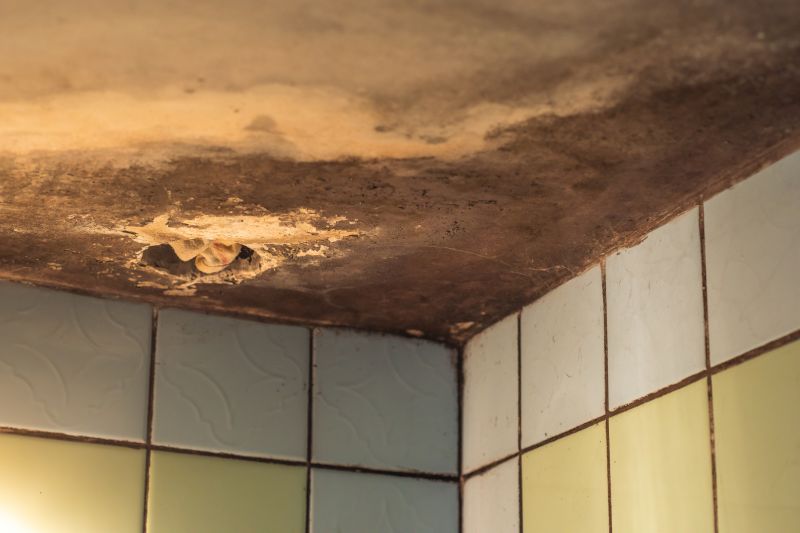
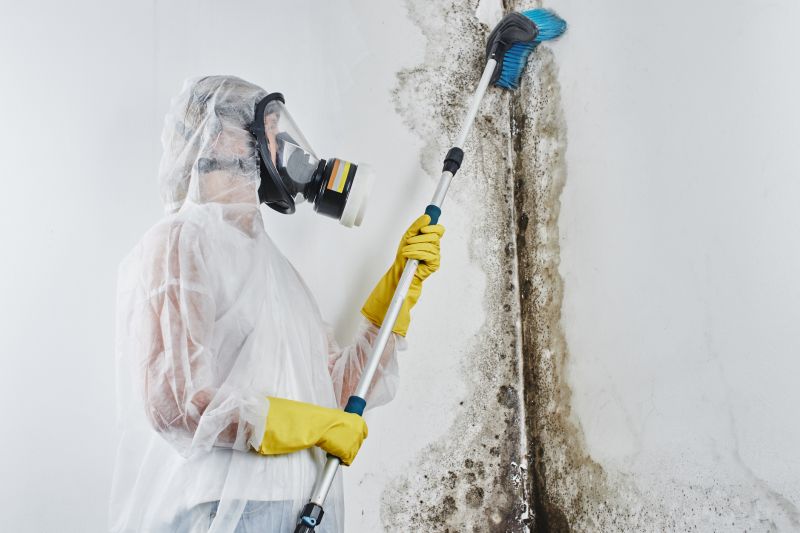
Ceiling mold removal services focus on identifying and eliminating mold growth that occurs on or within ceiling surfaces. This service is often requested for projects involving visible mold patches, musty odors, or water damage that has led to mold development above ceilings. Property owners typically want to understand the extent of mold presence, the causes of moisture buildup, and the best methods for safe removal to prevent future growth. Proper removal not only improves indoor air quality but also helps protect the structural integrity of the ceiling and overall property value.
Before requesting ceiling mold removal, property owners should consider the severity of the mold problem and whether it is confined to the surface or has penetrated deeper into building materials. It is important to address underlying moisture issues, such as leaks or humidity problems, to ensure the mold does not return. Additionally, understanding the scope of the project, including potential repairs or replacements of affected ceiling materials, can help in planning effective remediation. Proper assessment and planning are essential for maintaining a healthy and safe living environment.
Many property owners in Essex County, NJ look into Ceiling Mold Removal for repairs, replacements, upgrades, and appearance-related improvements.
Identifying Ceiling Mold
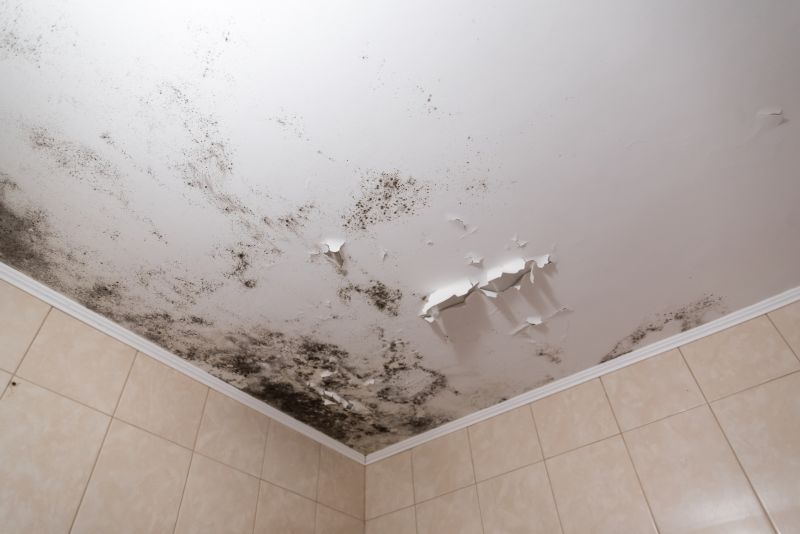
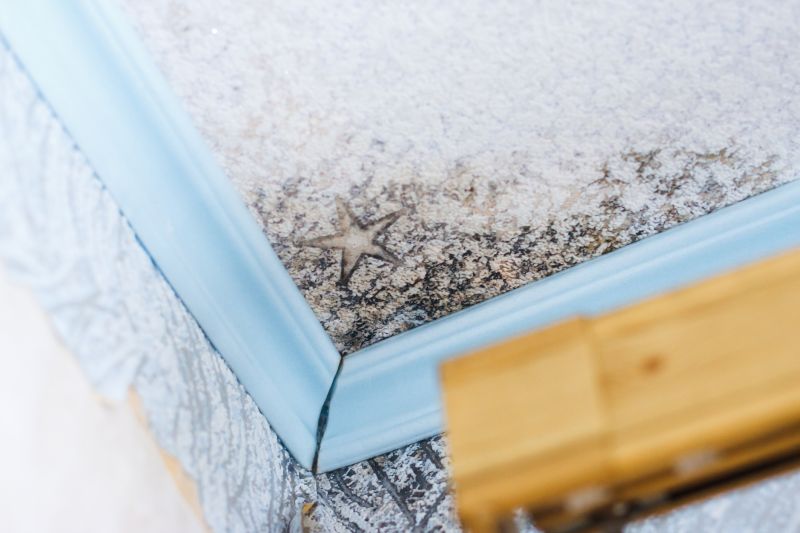
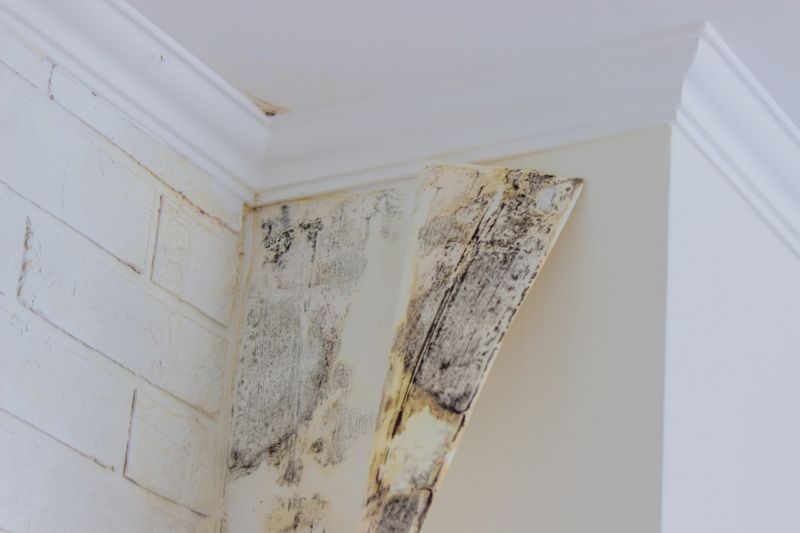
Signs of ceiling mold include discoloration, musty odors, and water stains.
Health And Safety Concerns
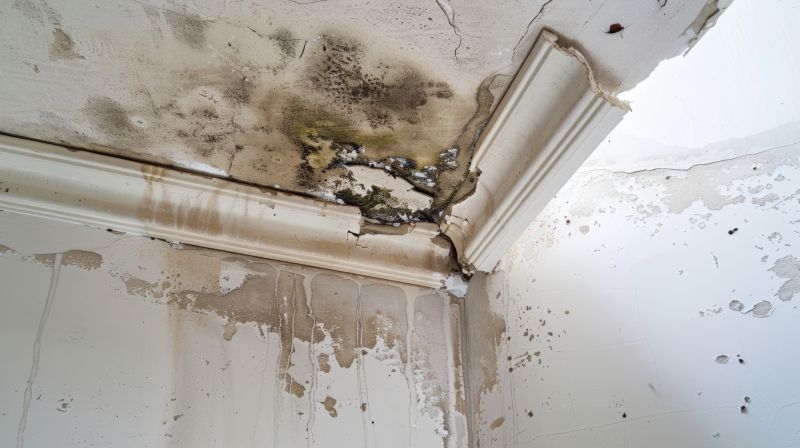
Removing ceiling mold helps prevent health issues caused by mold spores and airborne toxins.
Prevention And Maintenance
Proper ventilation and moisture control are key to preventing future mold growth in essex county homes.
Ceiling Mold Removal in Essex County, NJ
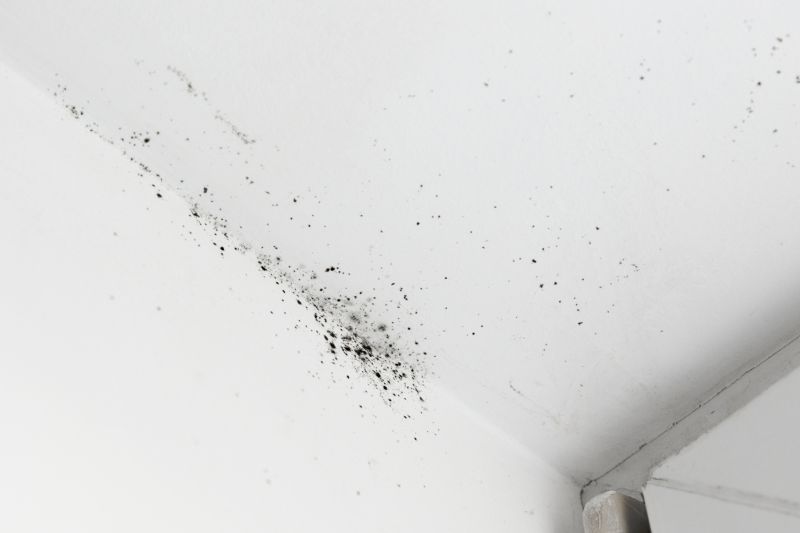
Ceiling mold removal services focus on identifying and eliminating mold growth that occurs on or within ceiling surfaces. This service is often requested for projects involving visible mold patches, musty odors, or water damage that has led to mold development above ceilings. Property owners typically want to understand the extent of mold presence, the causes of moisture buildup, and the best methods for safe removal to prevent future growth. Proper removal not only improves indoor air quality but also helps protect the structural integrity of the ceiling and overall property value.
Before requesting ceiling mold removal, property owners should consider the severity of the mold problem and whether it is confined to the surface or has penetrated deeper into building materials. It is important to address underlying moisture issues, such as leaks or humidity problems, to ensure the mold does not return. Additionally, understanding the scope of the project, including potential repairs or replacements of affected ceiling materials, can help in planning effective remediation. Proper assessment and planning are essential for maintaining a healthy and safe living environment.
Many property owners in Essex County, NJ look into Ceiling Mold Removal for repairs, replacements, upgrades, and appearance-related improvements.
Common Ceiling Mold Removal Jobs
Ceiling mold removal - eliminates mold growth caused by moisture buildup on ceiling surfaces.
Basement ceiling cleaning - addresses mold issues in lower-level ceilings due to humidity or leaks.
Attic ceiling mold treatment - removes mold caused by poor ventilation or roof leaks.
Water damage ceiling restoration - restores ceilings affected by leaks or flooding that promote mold growth.
Mold remediation for popcorn ceilings - safely removes mold from textured ceiling surfaces.
High ceiling mold removal - handles mold issues in ceilings with difficult-to-reach areas.
Ceiling Mold Removal Questions
What causes ceiling mold? Ceiling mold often results from excess moisture, high humidity, or water leaks in the property.
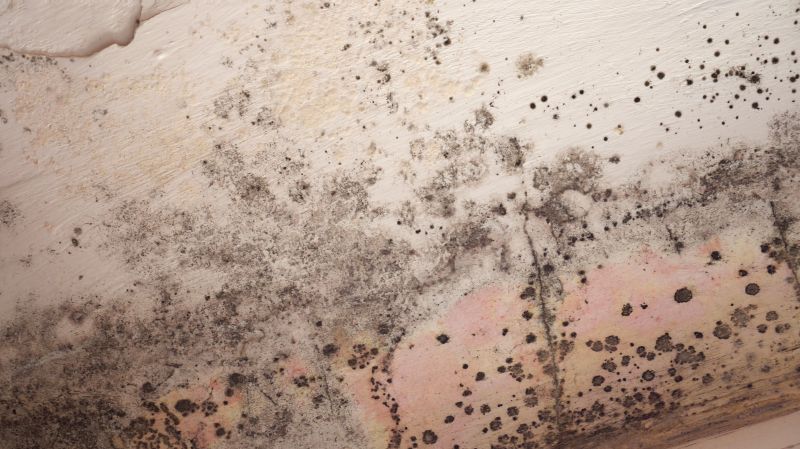
How can mold be identified on ceilings? Mold appears as discoloration, often black, green, or brown patches, and may have a musty odor.
Is mold removal safe for my ceiling? Proper removal involves cleaning and treating the affected areas to prevent mold growth and protect indoor air quality.
What types of ceilings can be treated for mold? Mold removal can be performed on various ceiling types, including drywall, popcorn, and suspended ceilings.
Request Ceiling Mold Removal in Essex County, NJ
Use the quote form on this page to share the basics of your project and request more information for the type of work you need.